Guides for Parents & Teachers
Plain-English, practical guides on early learning skills — what to teach, when, and how to make it fun.
How to Teach Letters at Home (Without Boring Your Child)
Teach letters at home the fun way: short playful games, letter hunts, tracing and printables that help preschoolers learn ABCs without tears or drills.
When Should Kids Start Coloring? A Simple Age-by-Age Guide
When should kids start coloring? See what to expect at every age from first scribbles to detailed pictures, plus the best crayons and printable types.
How to Improve Your Child's Pencil Grip and Pre-Writing Skills
Practical, gentle ways to improve your child's pencil grip and pre-writing skills: fun strength builders, tracing, mazes and a simple 4-week practice plan.
10 Fine Motor Activities for Preschoolers Using Only Paper and Pencils
Ten screen-free fine motor activities using only paper and pencils: tracing, mazes, rubbings, paper folding and more — with easy ways to adjust difficulty.
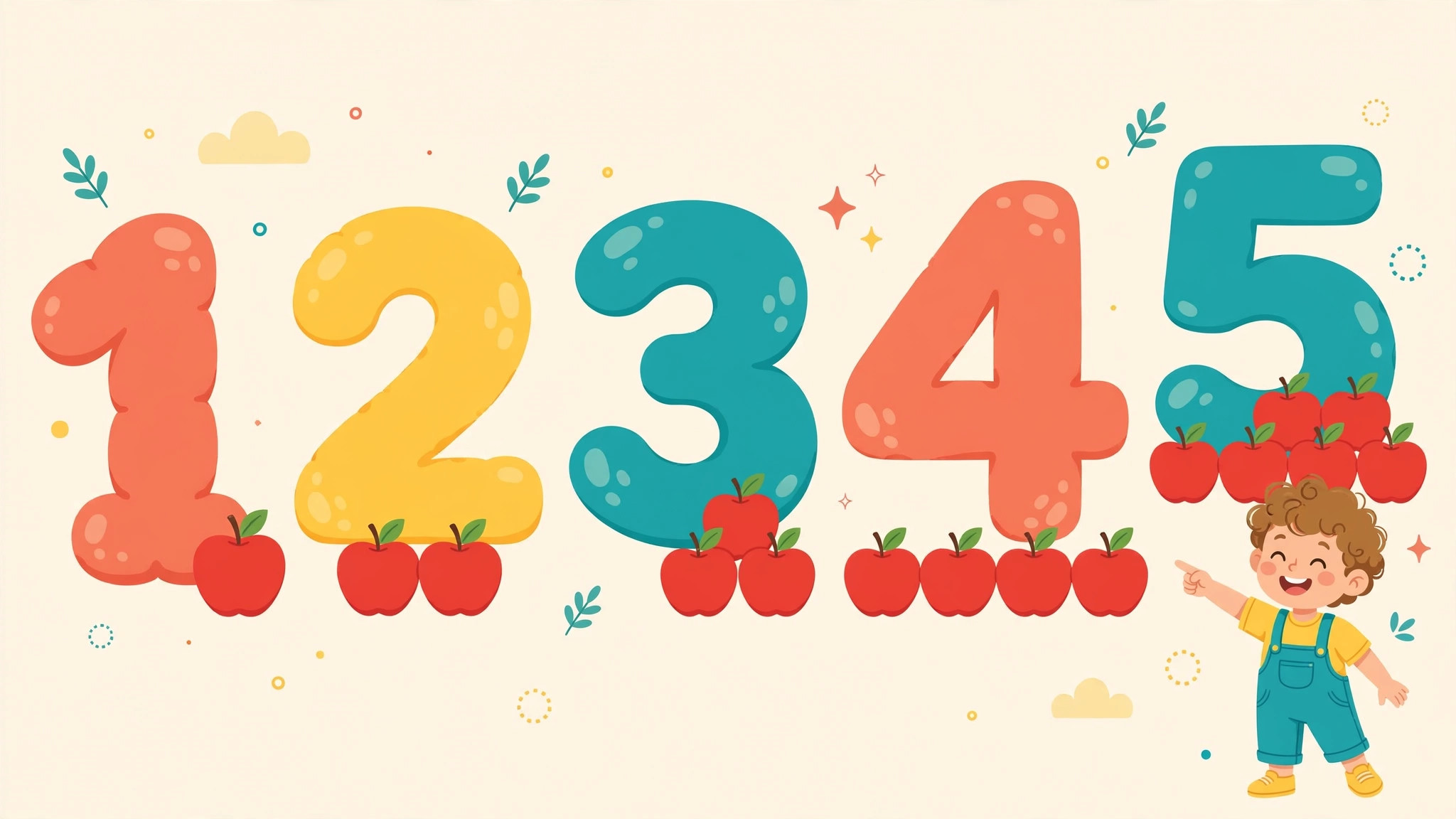
How to Teach Numbers 1 to 20 at Home
Teach numbers 1 to 20 at home with simple stages, counting games, and everyday practice that helps preschoolers count, recognize numerals, and love math.
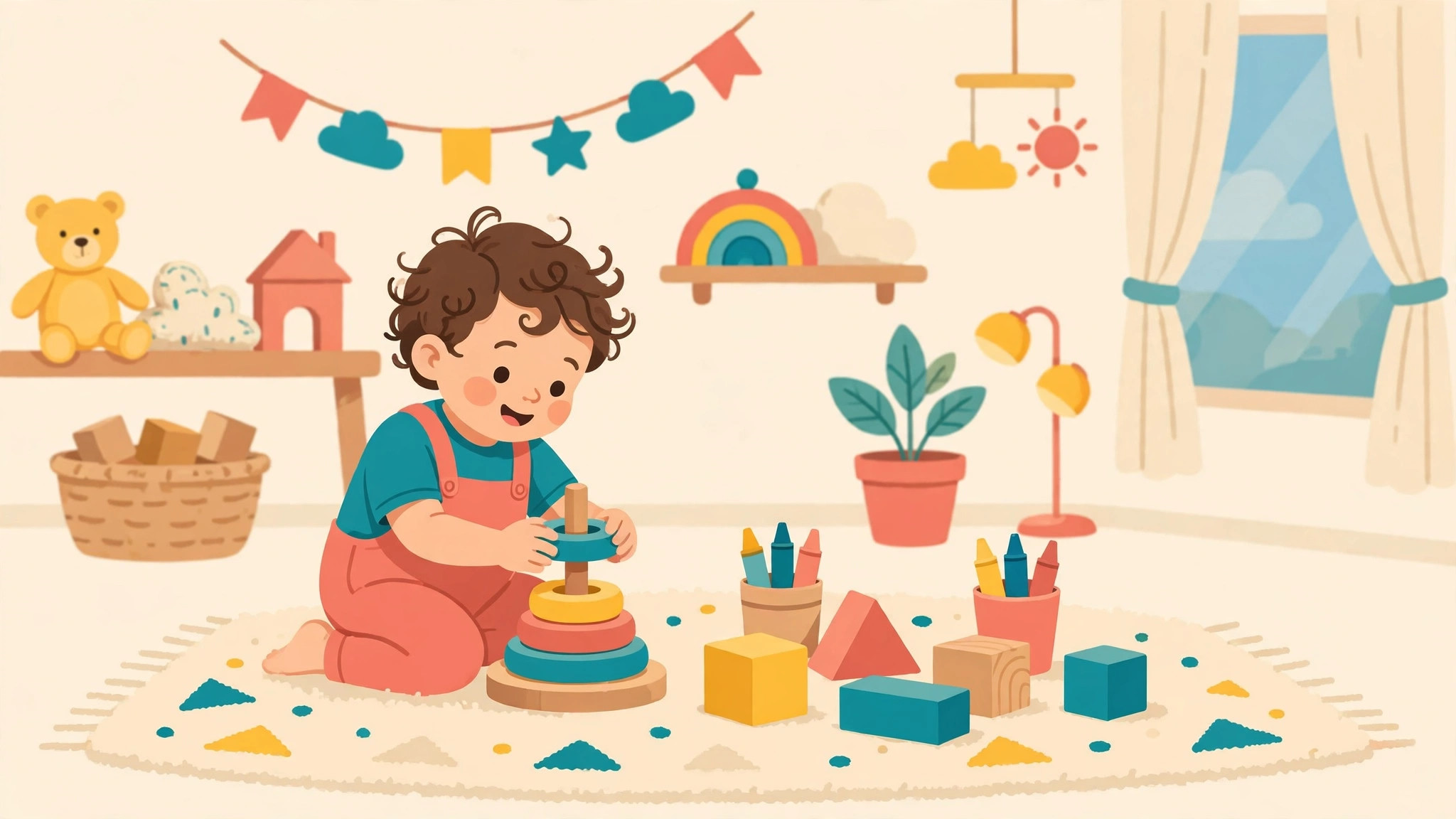
Screen-Free Activities for Toddlers That Actually Hold Their Attention
Realistic screen-free activities for toddlers and 2-year-olds: simple sensory play, movement games, and quiet-time ideas matched to real attention spans.
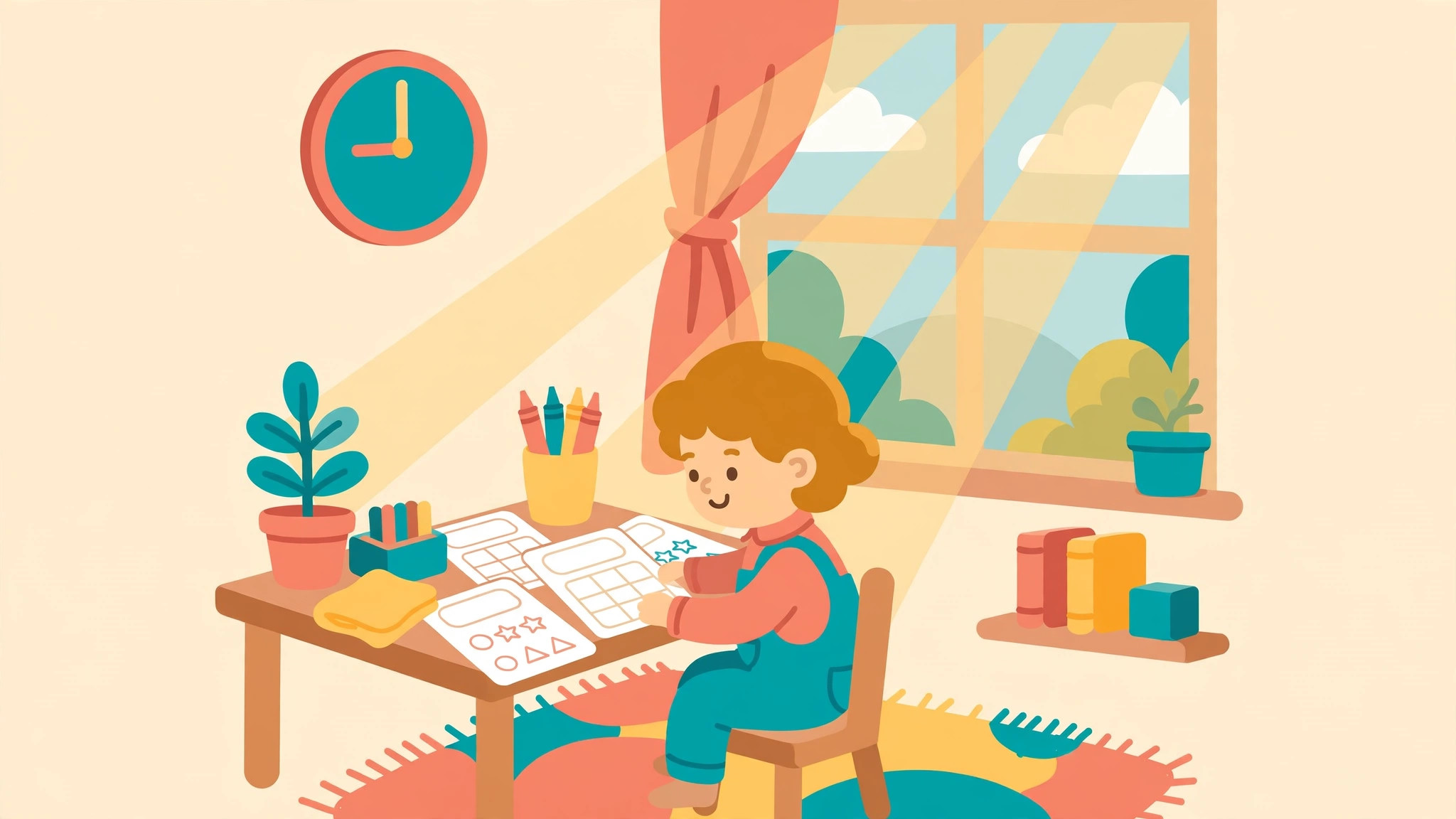
Preschool Learning Routine at Home: A Simple 15-Minute-a-Day Plan
A realistic 15-minute preschool learning routine for home: what to do each day, how to fit it into your schedule, and how to keep it going on busy weeks.
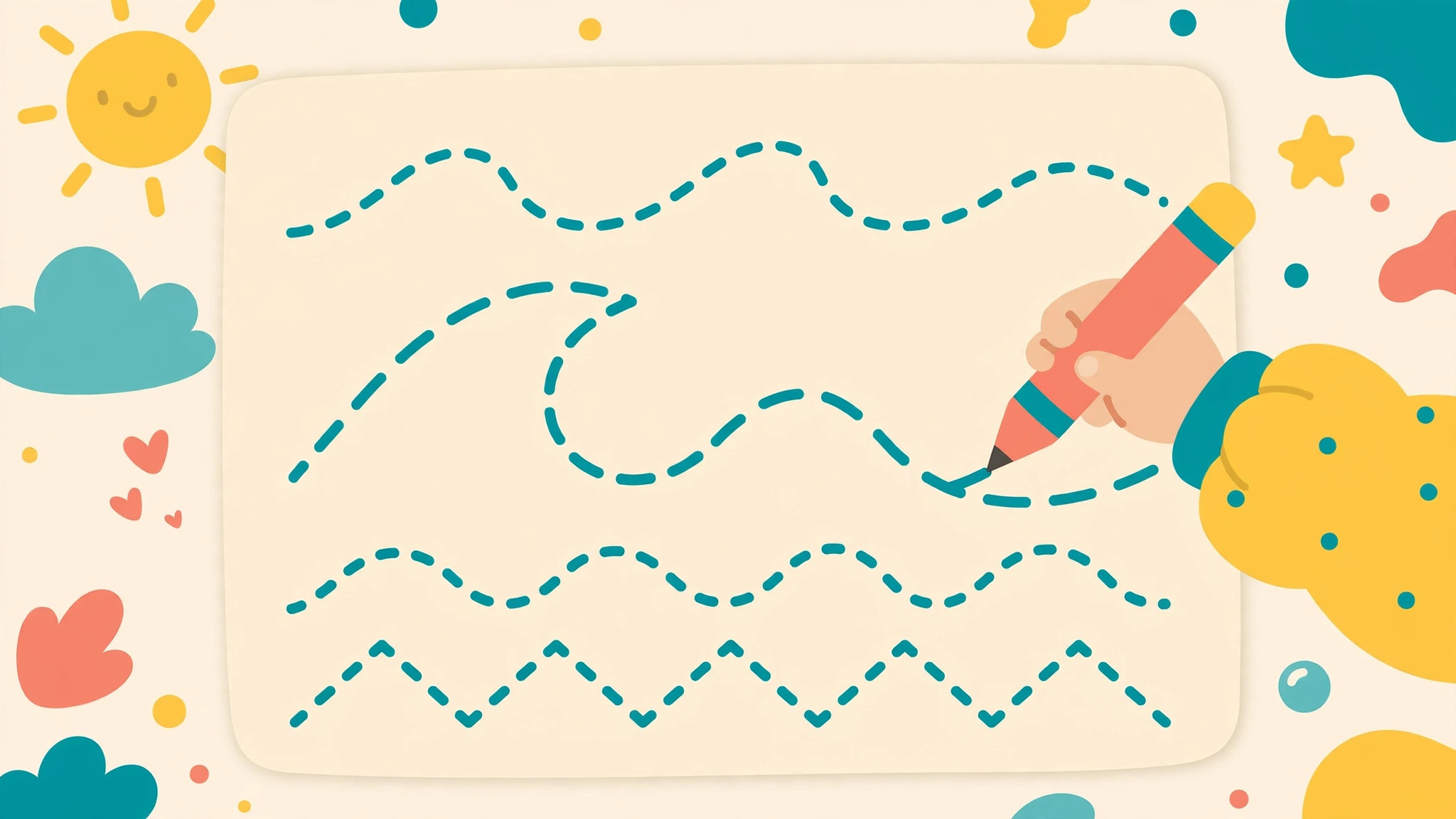
Benefits of Tracing for Kids: How Tracing Builds Handwriting Readiness
Why tracing works for preschoolers: the hand strength, pencil control, and letter knowledge tracing builds, plus how to run a short, happy tracing session.
How to Teach Colors and Shapes to Toddlers and Preschoolers
Teach colors and shapes with simple daily games, sorting activities, and coloring pages — a step-by-step plan for toddlers and preschoolers at home.
Writing Tips for Left-Handed Kids (From Paper Angle to Pencil Grip)
Practical help for left-handed kids: the right paper angle, a comfortable grip, real left-handed scissors, and seating tips that stop smudges.
How to Print and Organize Worksheets: The Binder and Dry-Erase System
A simple binder and dry-erase pocket system to print, organize, and reuse kids' worksheets — less paper, less ink, no more worksheet pile-ups.
Kindergarten Readiness Checklist: Skills That Actually Matter
A calm, realistic kindergarten readiness checklist: social, independence, language, and early learning skills that matter — plus what to skip worrying about.
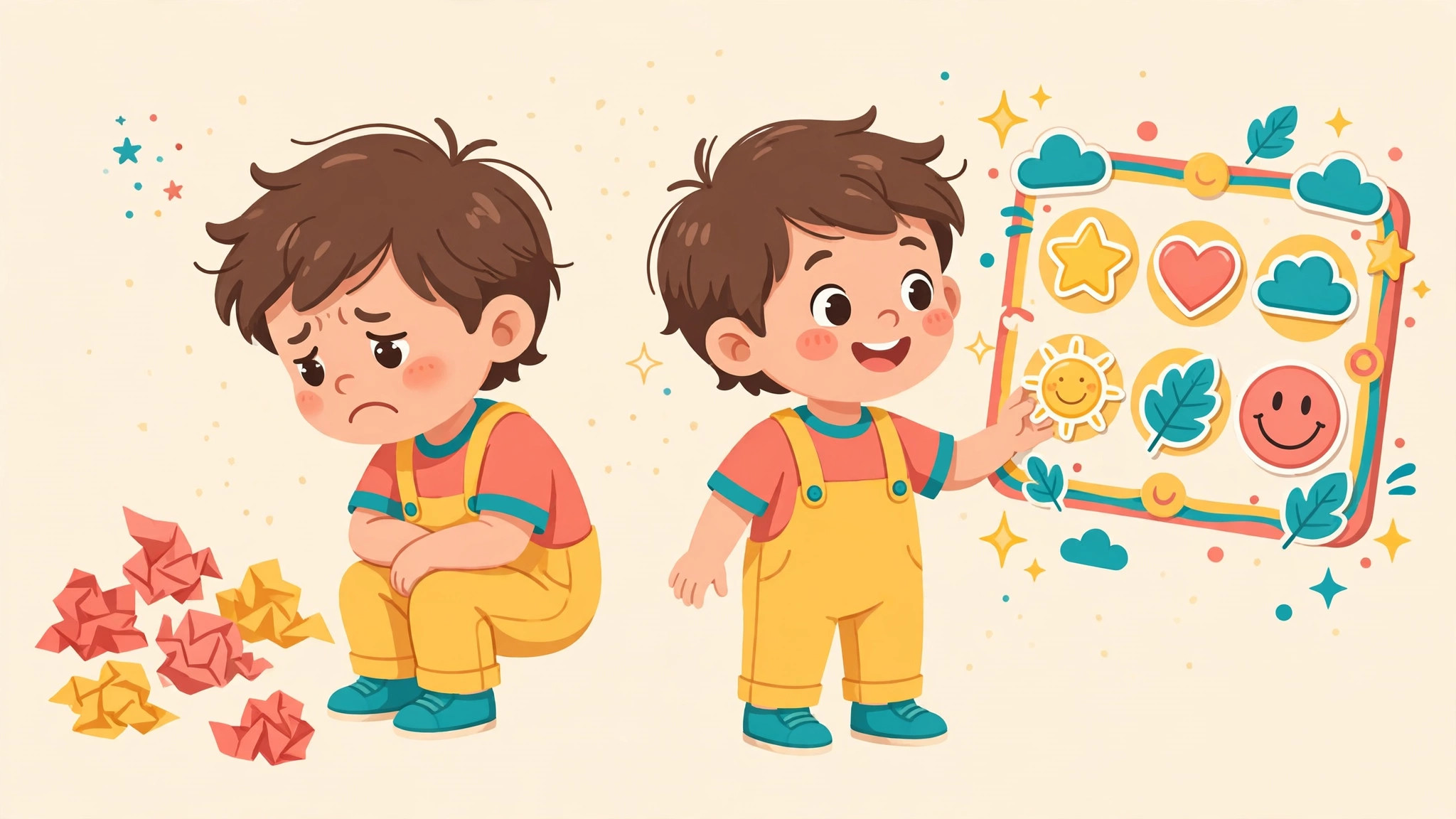
What to Do When Your Child Hates Writing: Tips That Actually Help
Practical, pressure-free ways to help a child who hates writing — build hand strength, make it purposeful, and use a simple two-week starter plan.
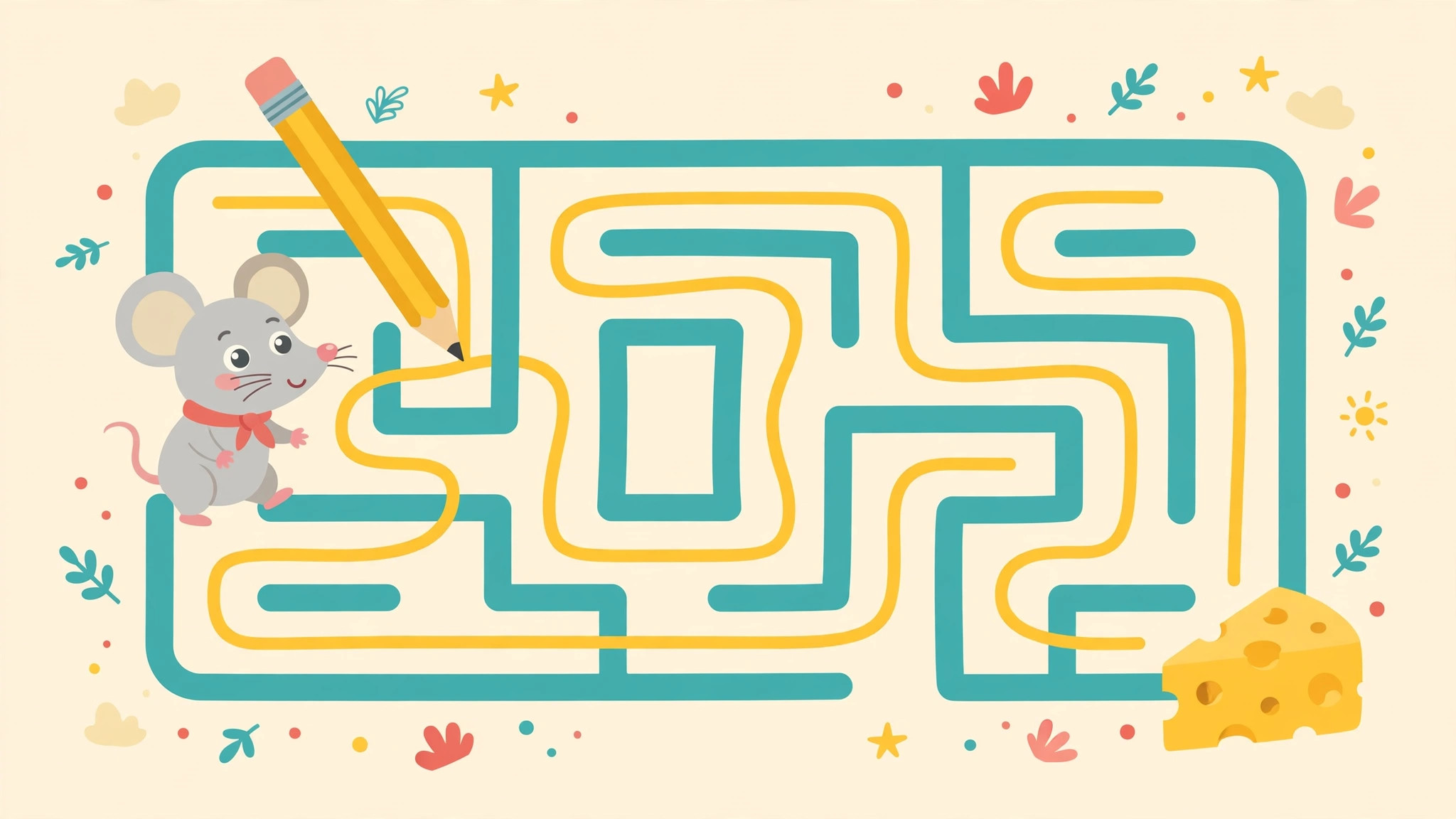
Benefits of Mazes for Kids: Problem-Solving, Focus & Pencil Skills
Discover what mazes really teach kids — planning, patience, pencil control, and problem-solving — plus how to choose the right maze for each age.
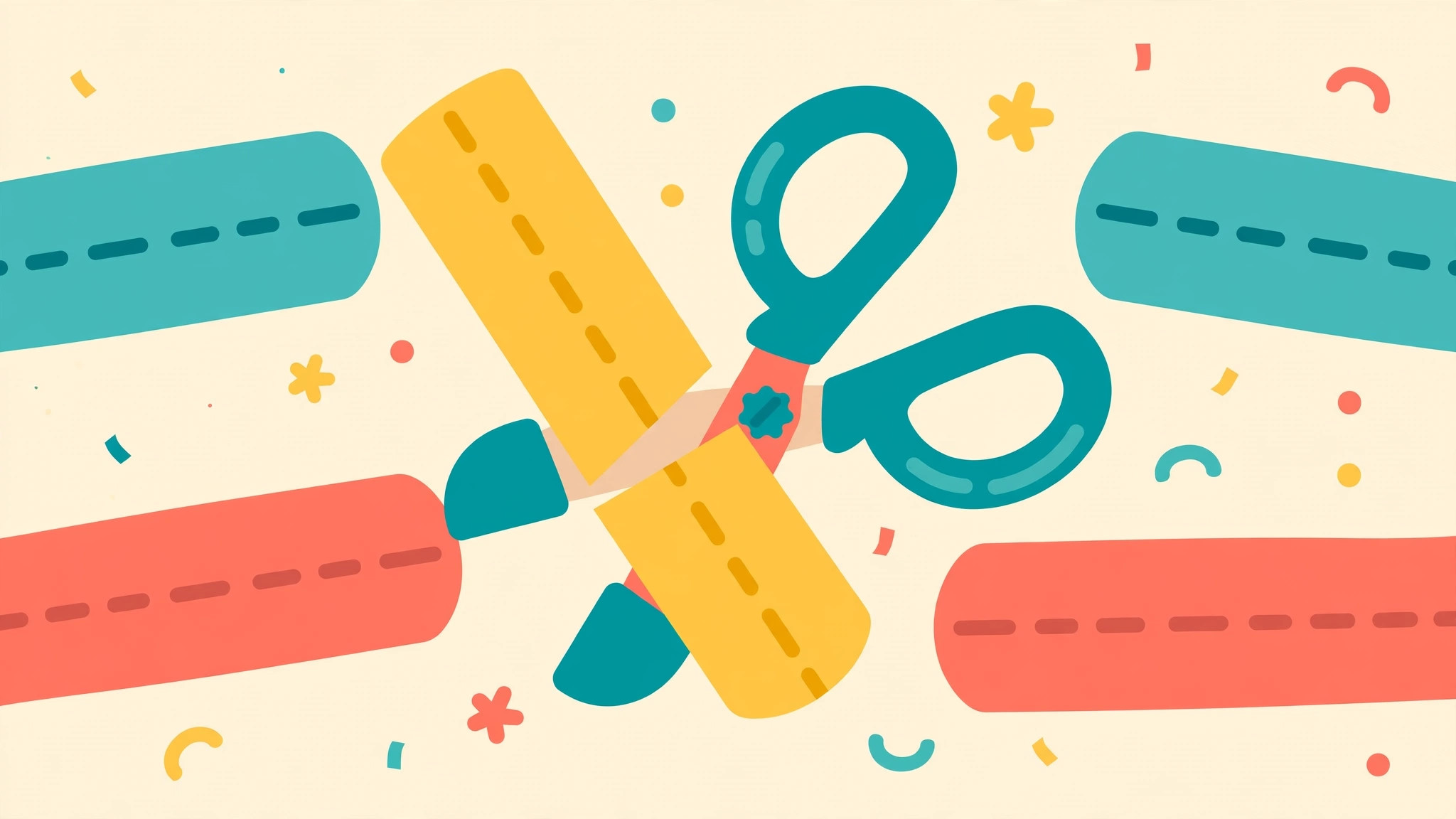
Scissor Skills for Kids: A Safe Step-by-Step Progression
A safe, step-by-step guide to scissor skills for kids — choosing scissors, the right order to learn cuts, fun practice ideas, and simple safety rules.
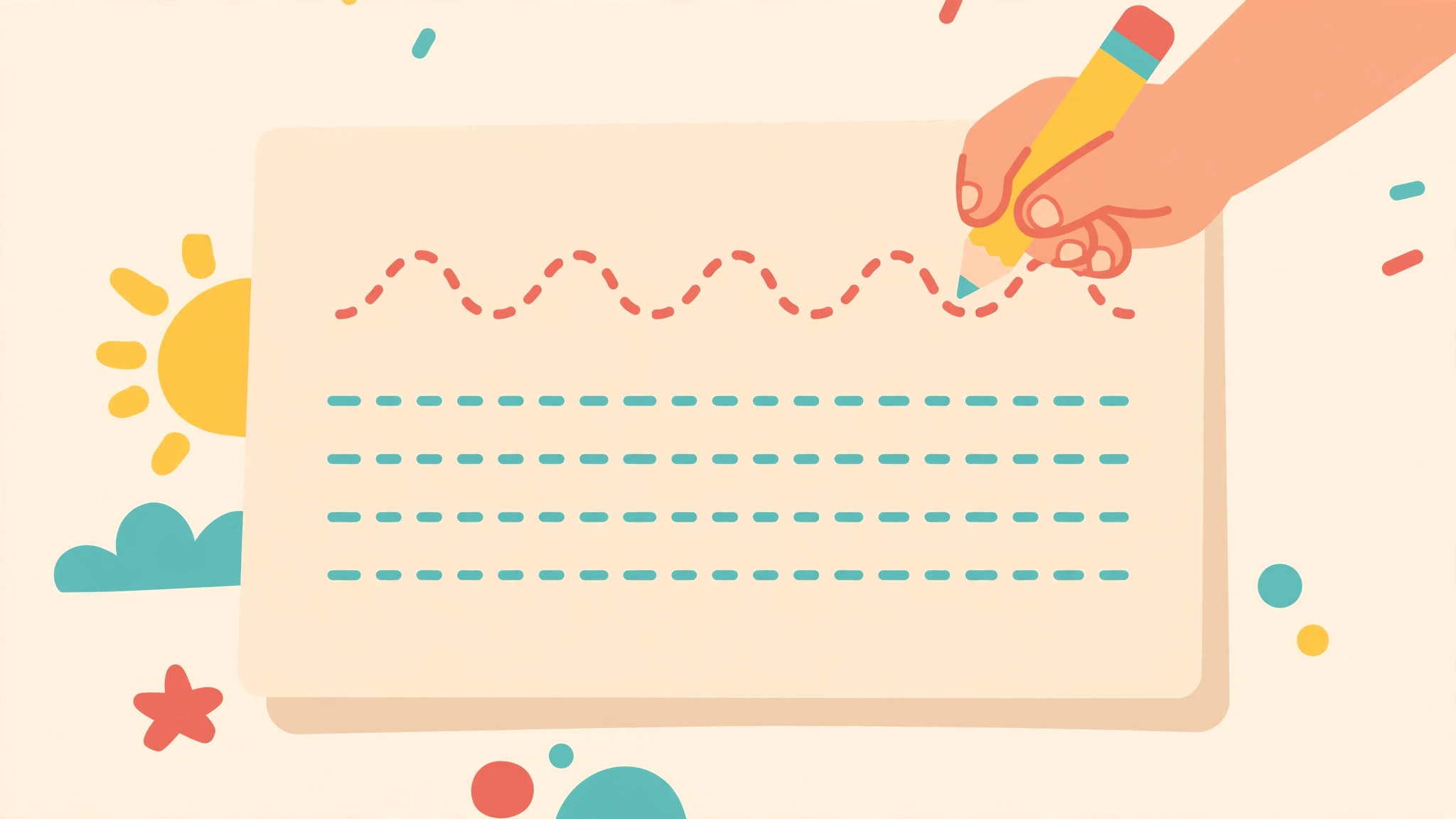
How to Teach Your Child to Write Their Own Name
Teach your child to write their name step by step — letter recognition, tracing, copying, and writing independently, with fun daily activities.
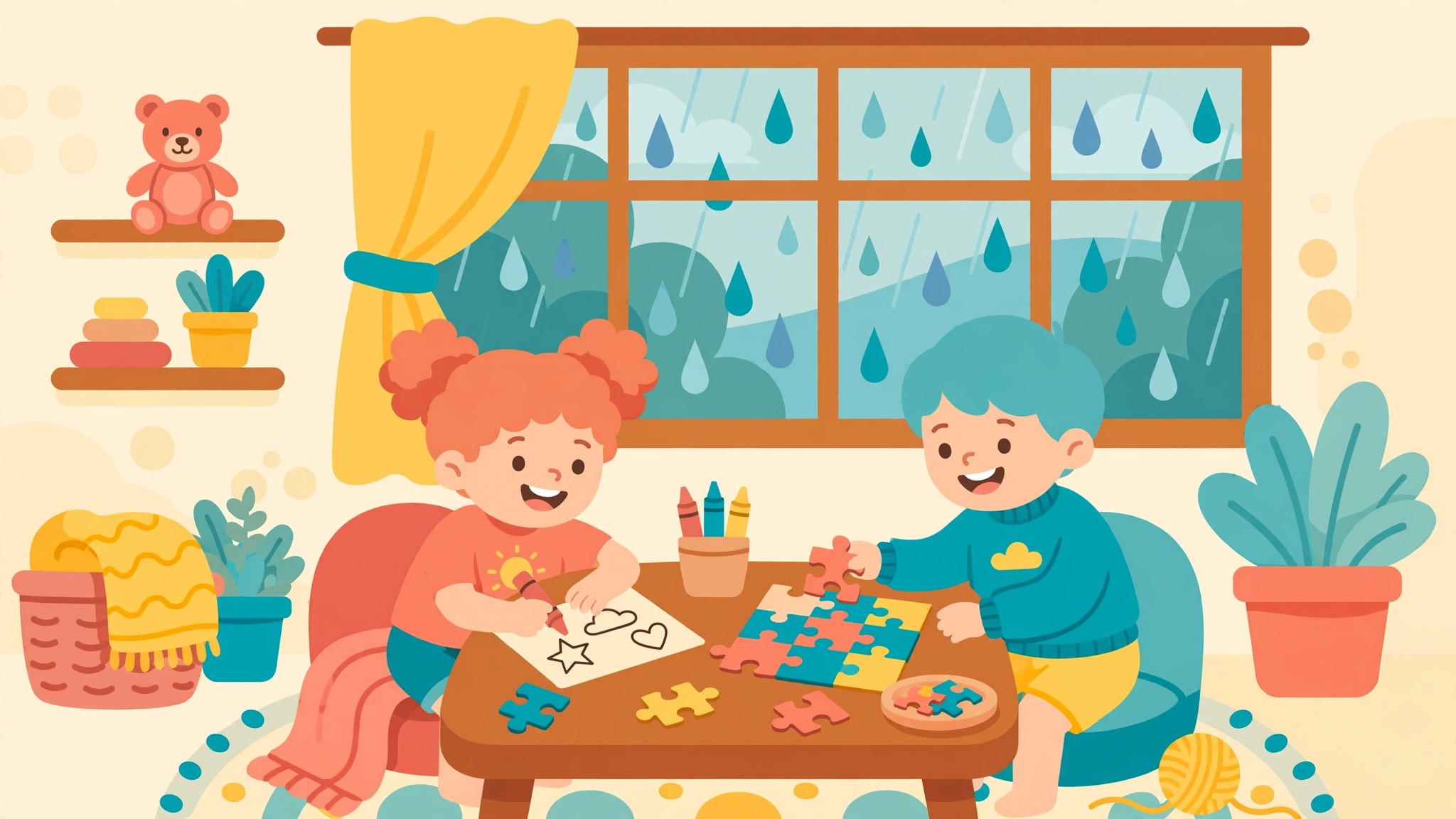
Rainy Day Activities for Kids at Home: A Whole Afternoon of Printable Fun
A simple rainy day plan for ages 3-8: printable stations, movement breaks, and quiet activities that fill the whole afternoon calmly and without stress.

How to Build a Travel Activity Pack That Actually Keeps Kids Busy
Build a travel activity pack kids actually use: the right mix of printables, rotation tricks, and car and plane tips for ages 3-8 on any trip.
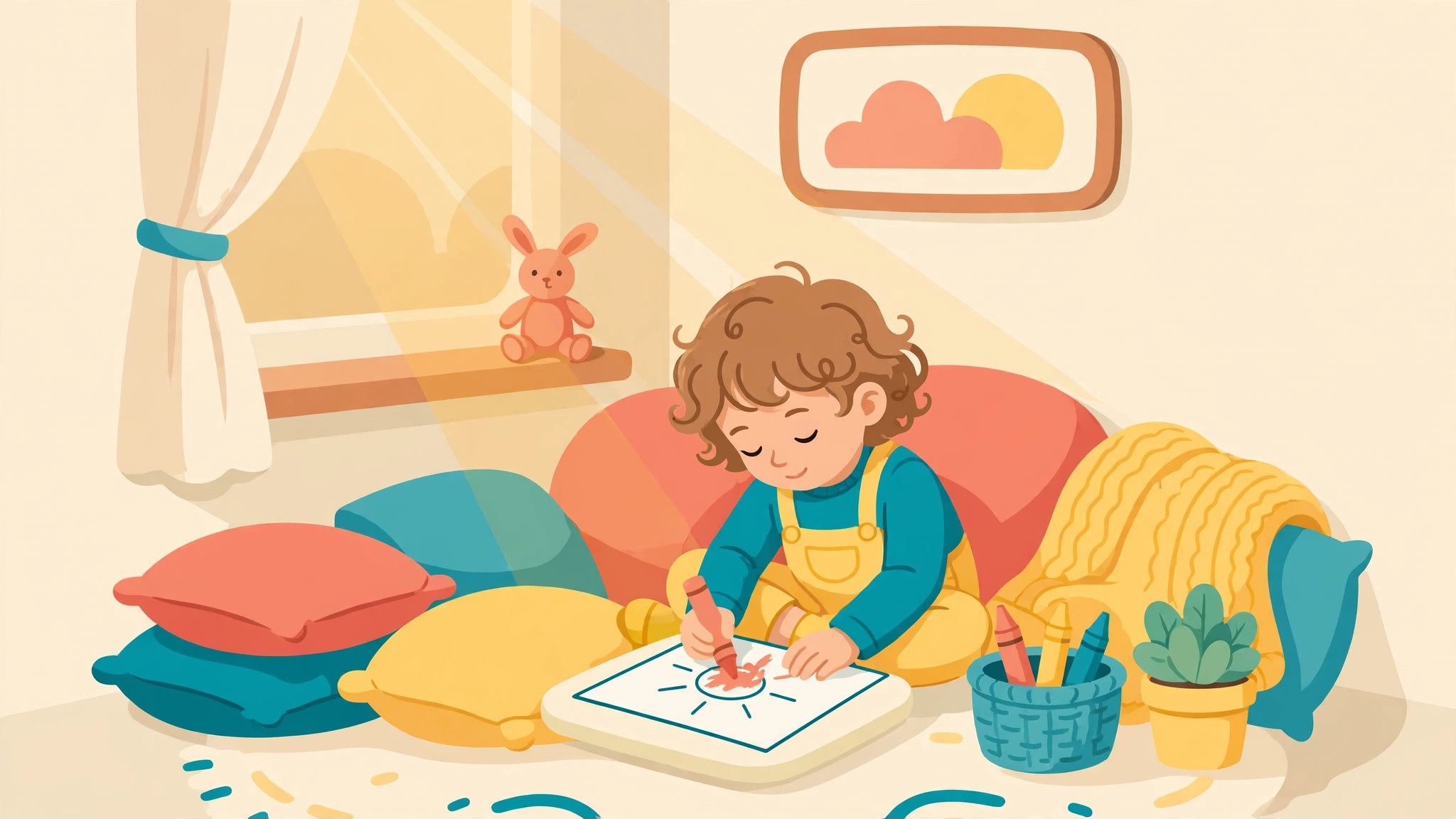
Coloring Pages for Calm-Down Time: A Gentle Routine That Works
Use coloring as a calm-down routine for kids: a cozy corner, a simple 5-step script, and page choices that help children settle gently at home.

Phonics Basics for Parents: Letter Sounds Before Letter Names
Phonics basics for parents made simple: why letter sounds come first, the starter sounds to teach, and playful 10-minute printable routines.
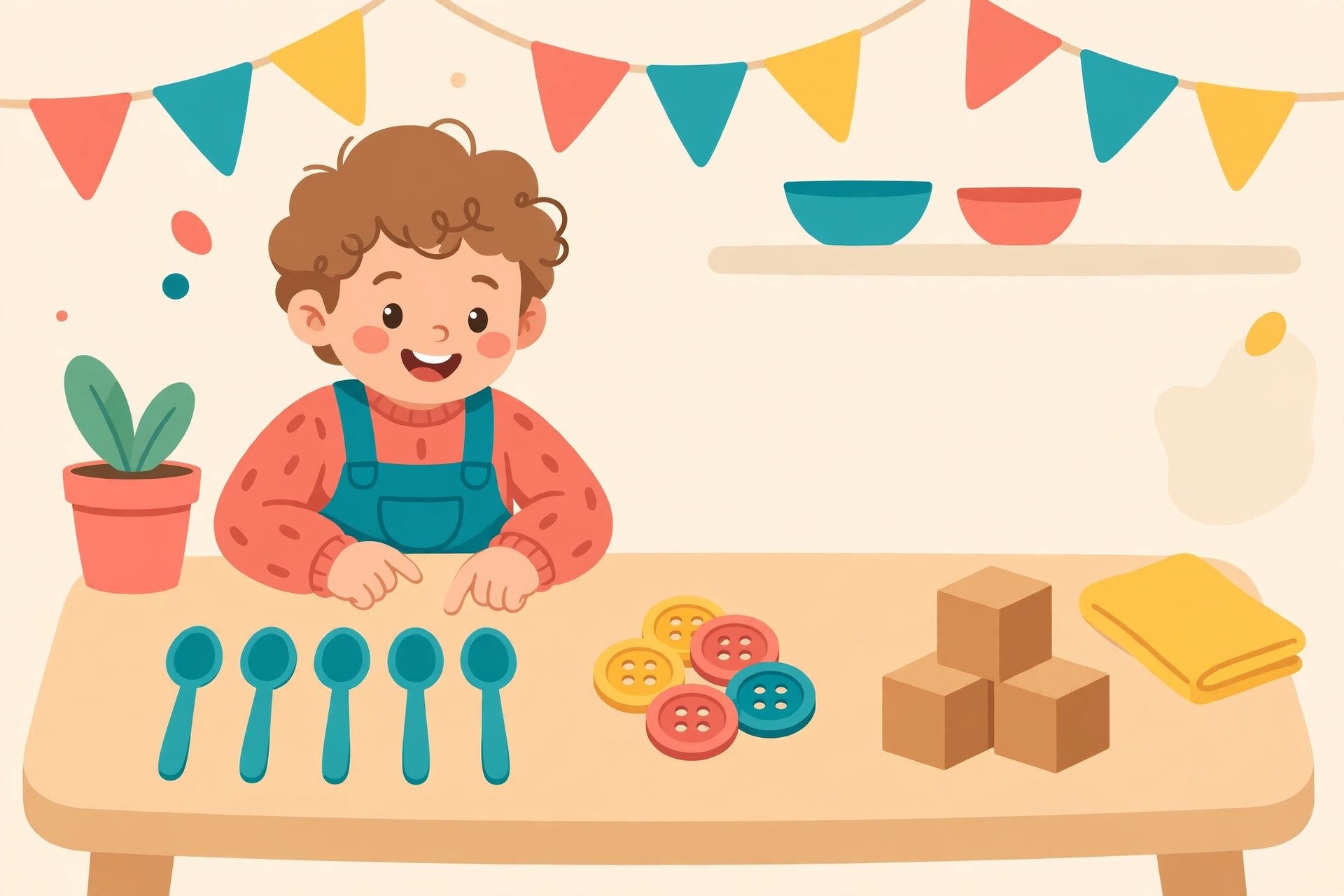
Counting Games with Household Objects (No Prep Needed)
Turn socks, spoons, and snacks into real math practice. Seven no-prep counting games using things you already own, sorted by age and skill level.
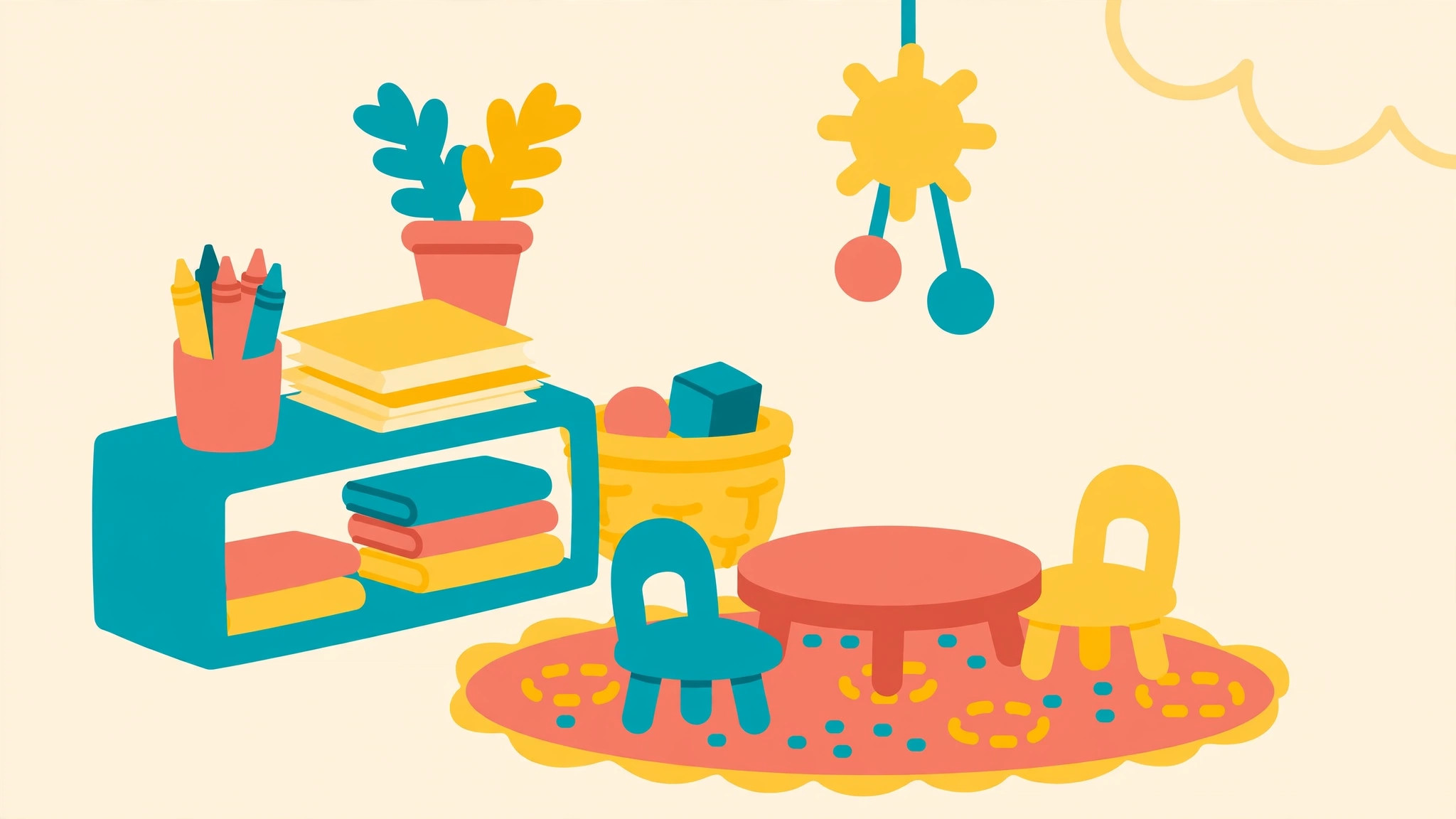
How to Set Up a Kids' Activity Corner in a Small Space
One corner, one shelf, endless creativity. A step-by-step plan to build a small-space activity corner kids actually use — most families spend under $40.
How to Prevent Summer Slide with 10 Minutes a Day
Keep reading and math skills warm all summer in just 10 minutes a day. A simple weekly rhythm, easy family games, and zero worksheets-required pressure.
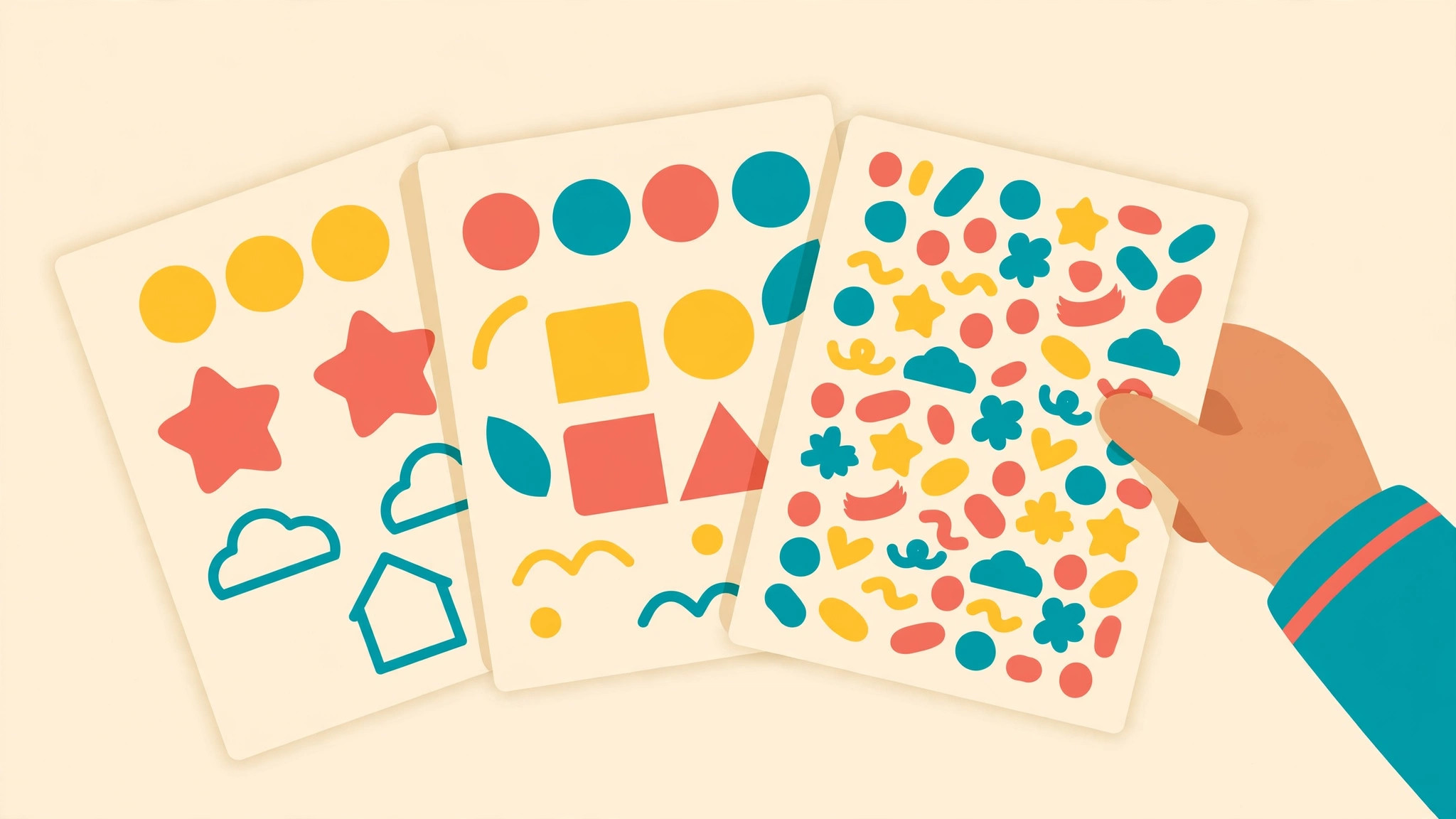
How to Choose Age-Appropriate Worksheets (Not Too Easy, Not Too Hard)
Stop wasting paper on worksheets that bore or frustrate. Learn the just-right test, what to look for at each age, and how to adapt any page in seconds.
Benefits of Coloring Pages for Kids: Fine Motor Skills, Focus & Creativity
Coloring does far more than fill time. See how it builds hand strength, focus, creativity, and school readiness — plus simple ways to get more from every page.
How to Teach Kids to Draw: First Steps That Build Confidence
You don't need to be an artist to teach your child to draw. Learn the shape-first method, simple starter drawings, and praise that builds real confidence.
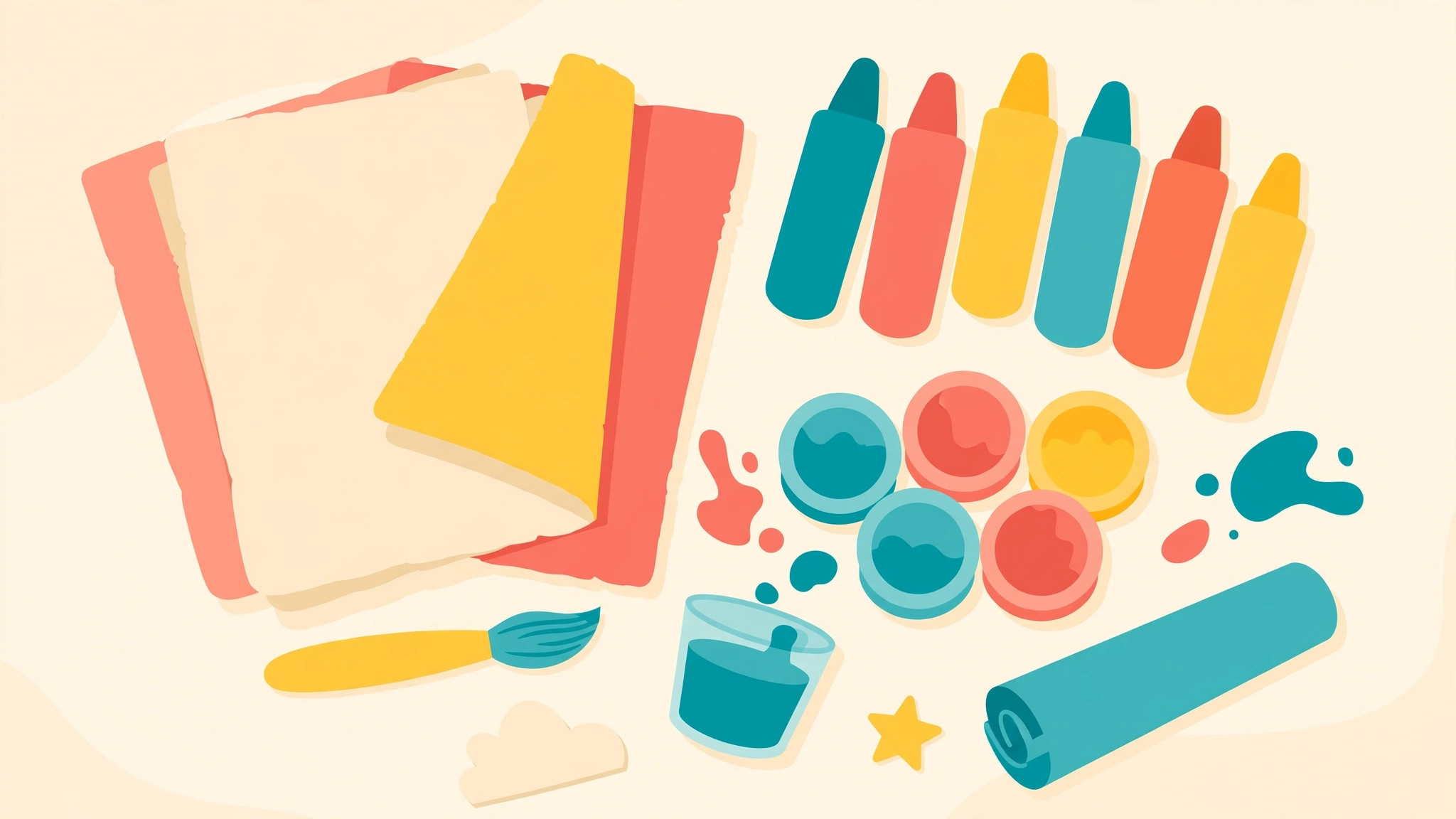
Best First Art Supplies for Toddlers: A Simple, Washable Starter Kit
Skip the giant art set. This simple toddler starter kit covers crayons, markers, paper, and paint — washable, safe, and chosen to build real early skills.
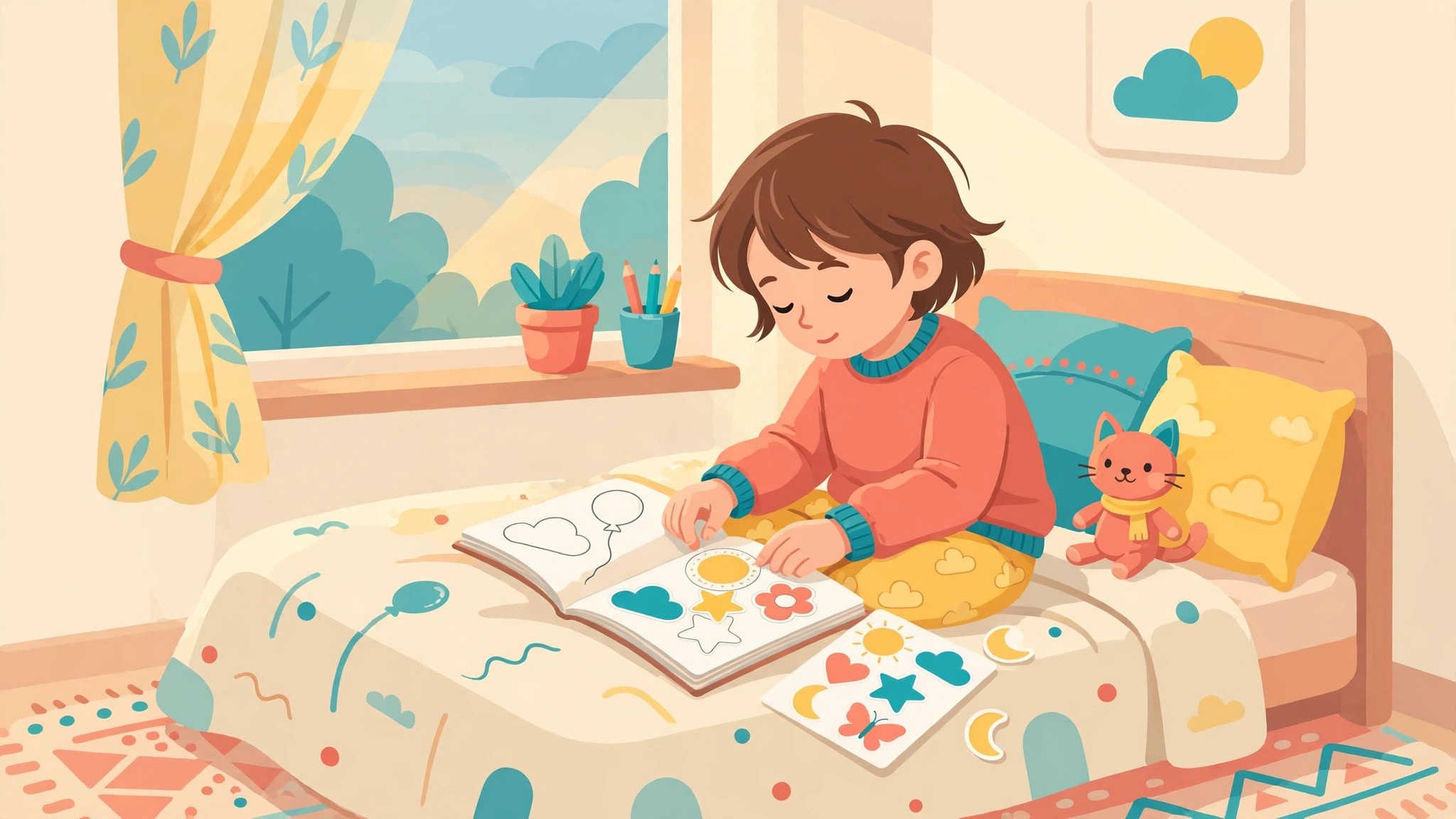
Quiet Time Activities for Kids Who've Dropped the Nap
When the nap disappears, everyone still needs a daily reset. Build a calm, independent quiet time with simple rules, rotating activity boxes, and printables.
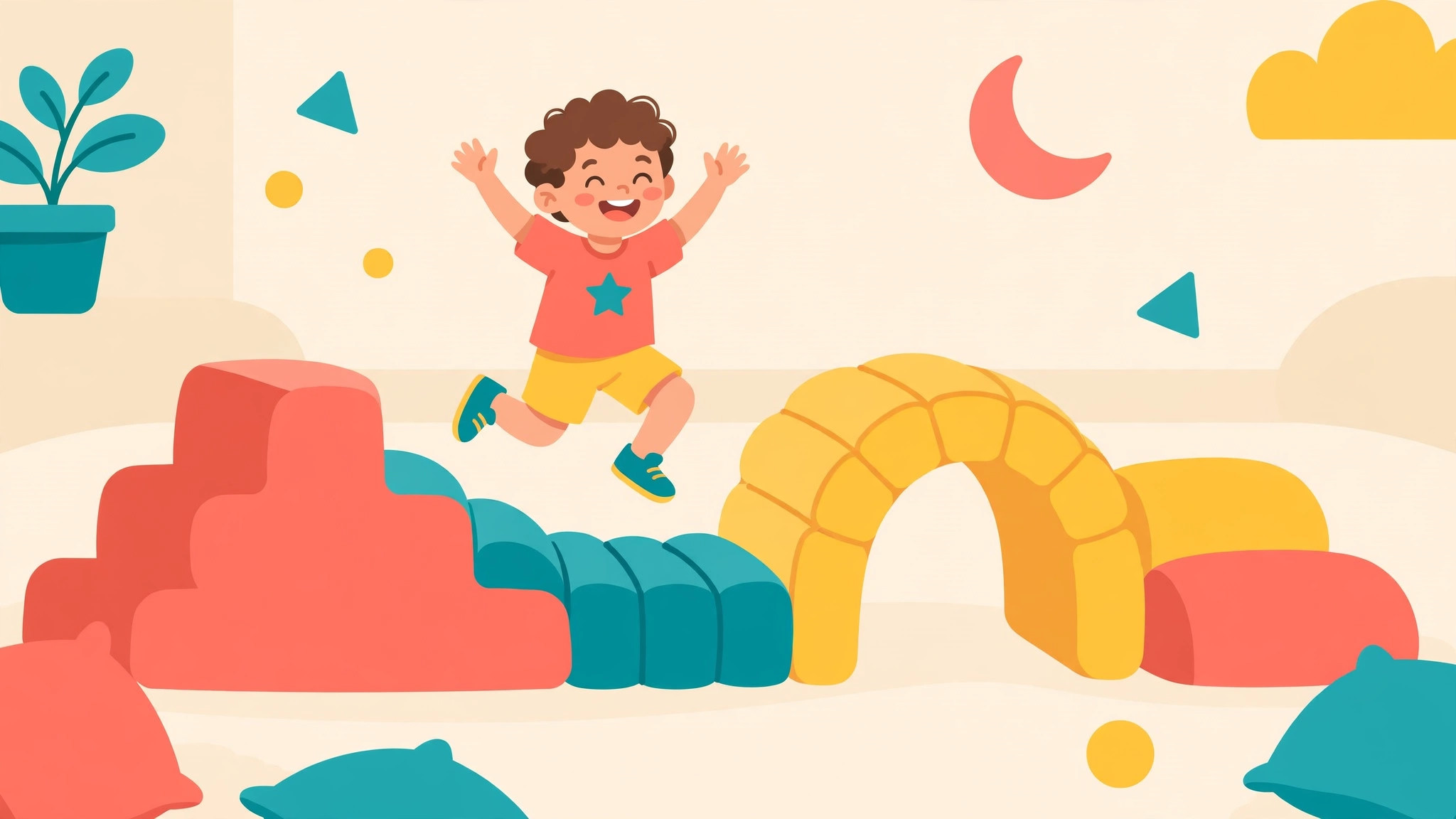
Indoor Activities for High-Energy Kids (That Channel the Wiggles)
Indoor activities for high-energy kids: obstacle courses, animal walks and movement games that burn energy and build focus — plus a rainy-day plan.

Pre-Writing Strokes: The 9 Strokes Kids Learn Before Letters
Before letters come 9 simple pre-writing strokes. See what they are, the order kids usually learn them, and playful ways to practice each one at home.
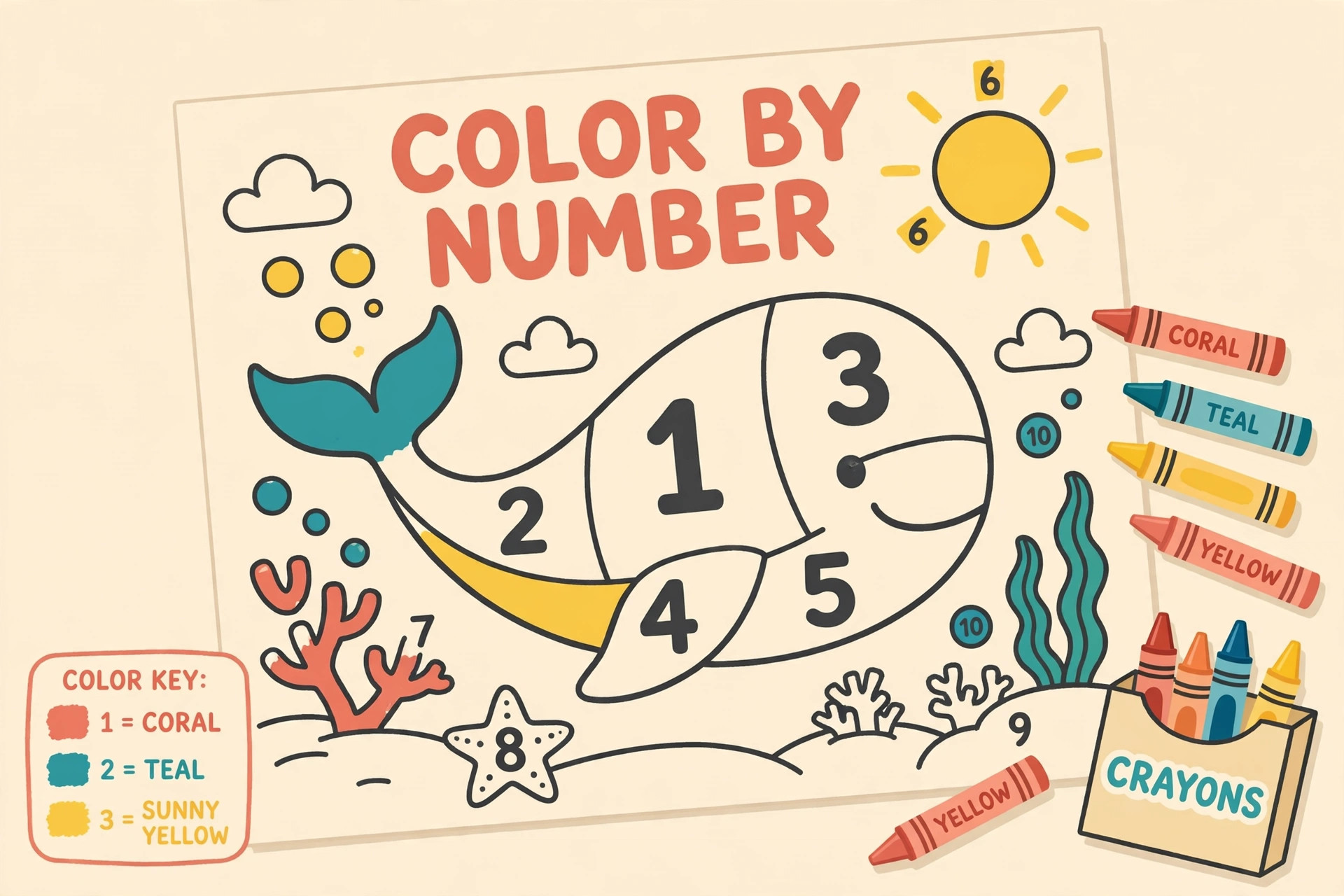
Color by Number for Kids: How It Teaches More Than Colors
Color by number teaches number recognition, following a key, focus and fine motor control. Learn how to pick the right level and use it well.
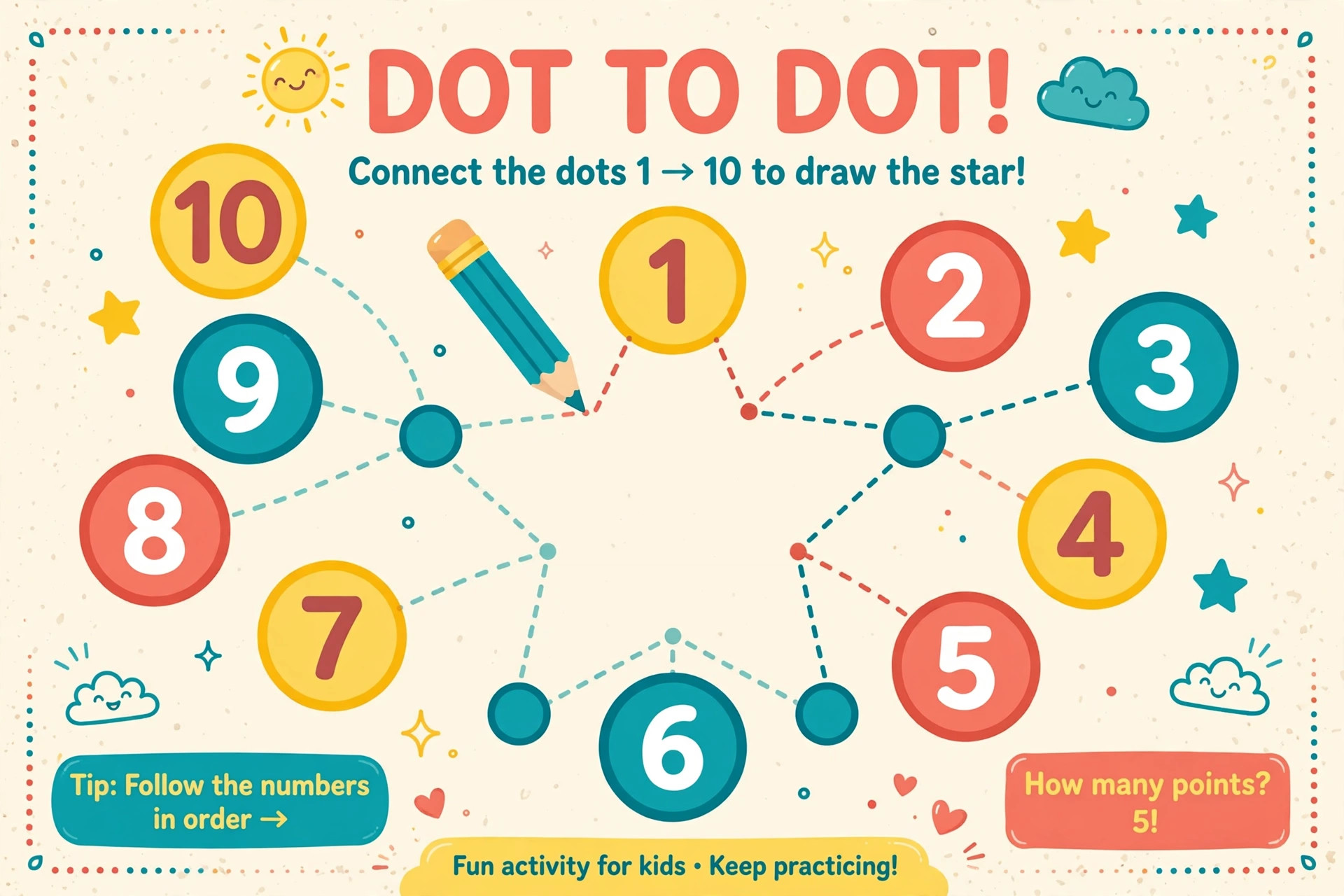
Dot-to-Dot Puzzles for Kids: The Sneaky Way to Learn Numbers & Pencil Control
Dot-to-dot puzzles teach counting order, number recognition and pencil control while kids chase a hidden picture. Learn levels, tips and DIY ideas.
Weekly Activity Plan for Preschoolers: A Simple 15-Minute-a-Day Schedule
A simple weekly activity plan for preschoolers: 15 focused minutes a day of coloring, tracing, counting and play that builds skills without stress.
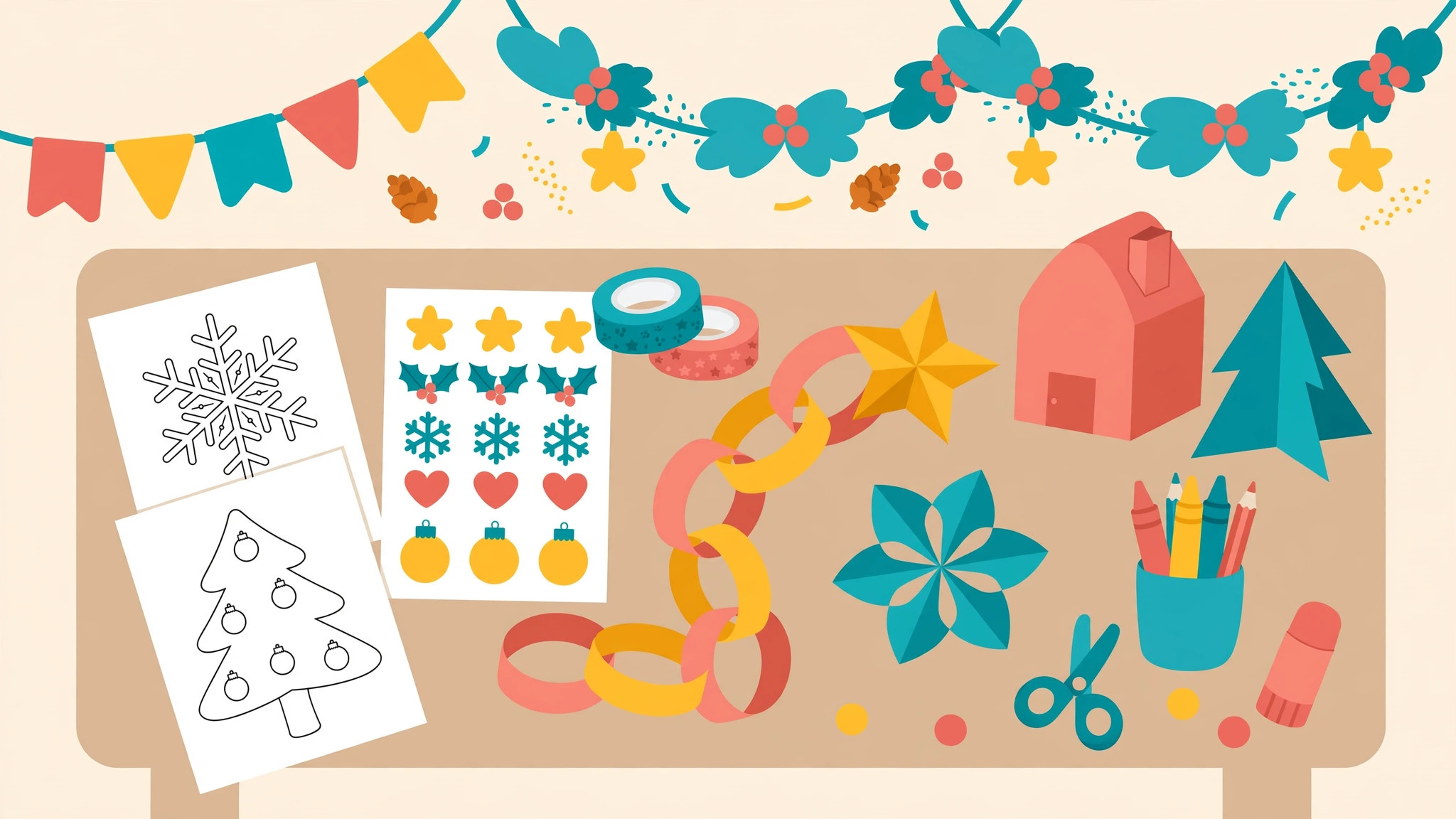
Holiday Activity Ideas for Kids: Keep Hands Busy on Days Off
Holiday activity ideas for kids that actually work: printable packs, calm crafts and screen-free games to keep little hands busy on days off school.
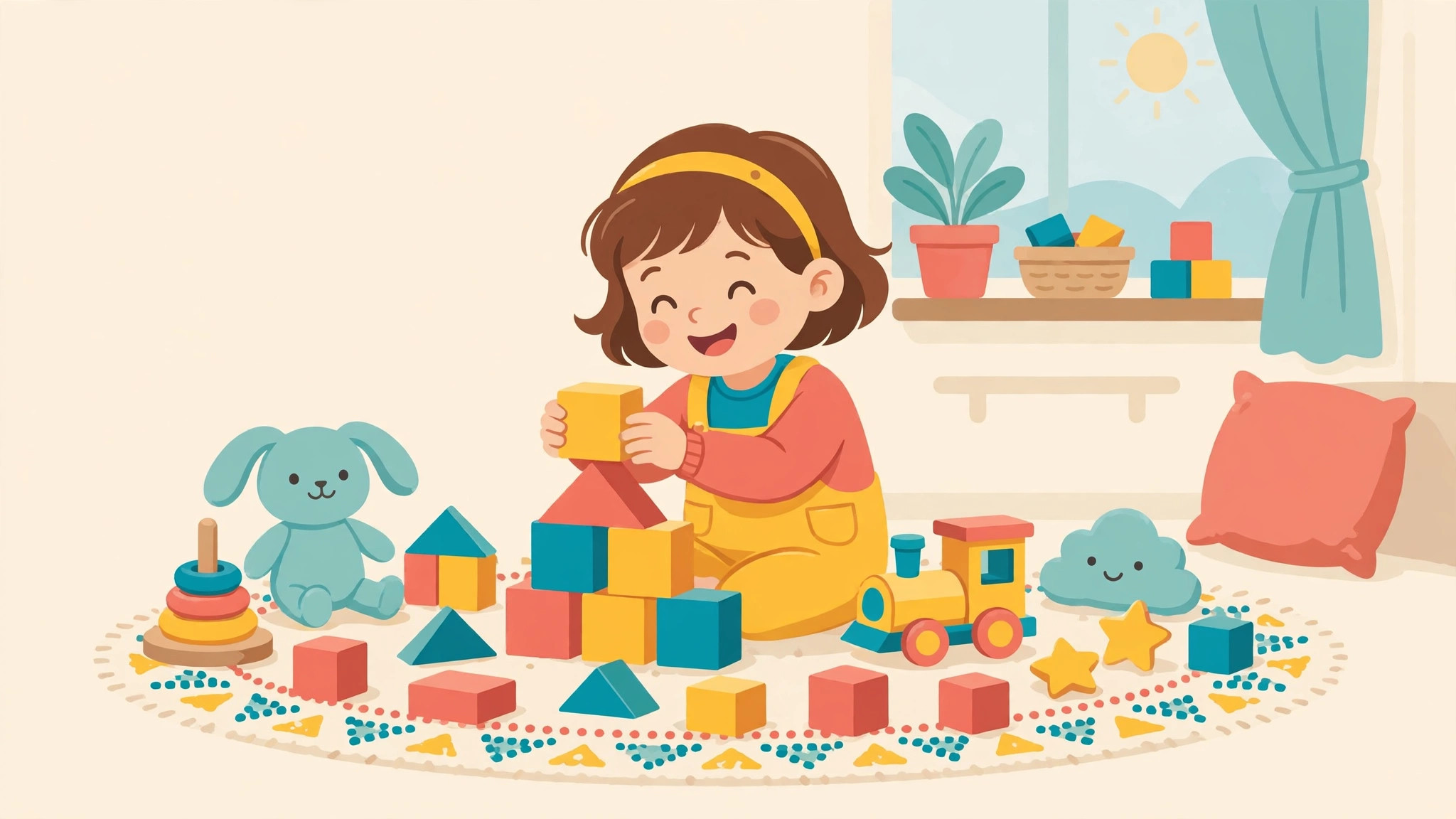
Learning Through Play at Home: What It Really Looks Like
What learning through play really looks like at home: simple everyday games, talk and printables that quietly build school skills for ages two to six.