How to Prevent Summer Slide with 10 Minutes a Day
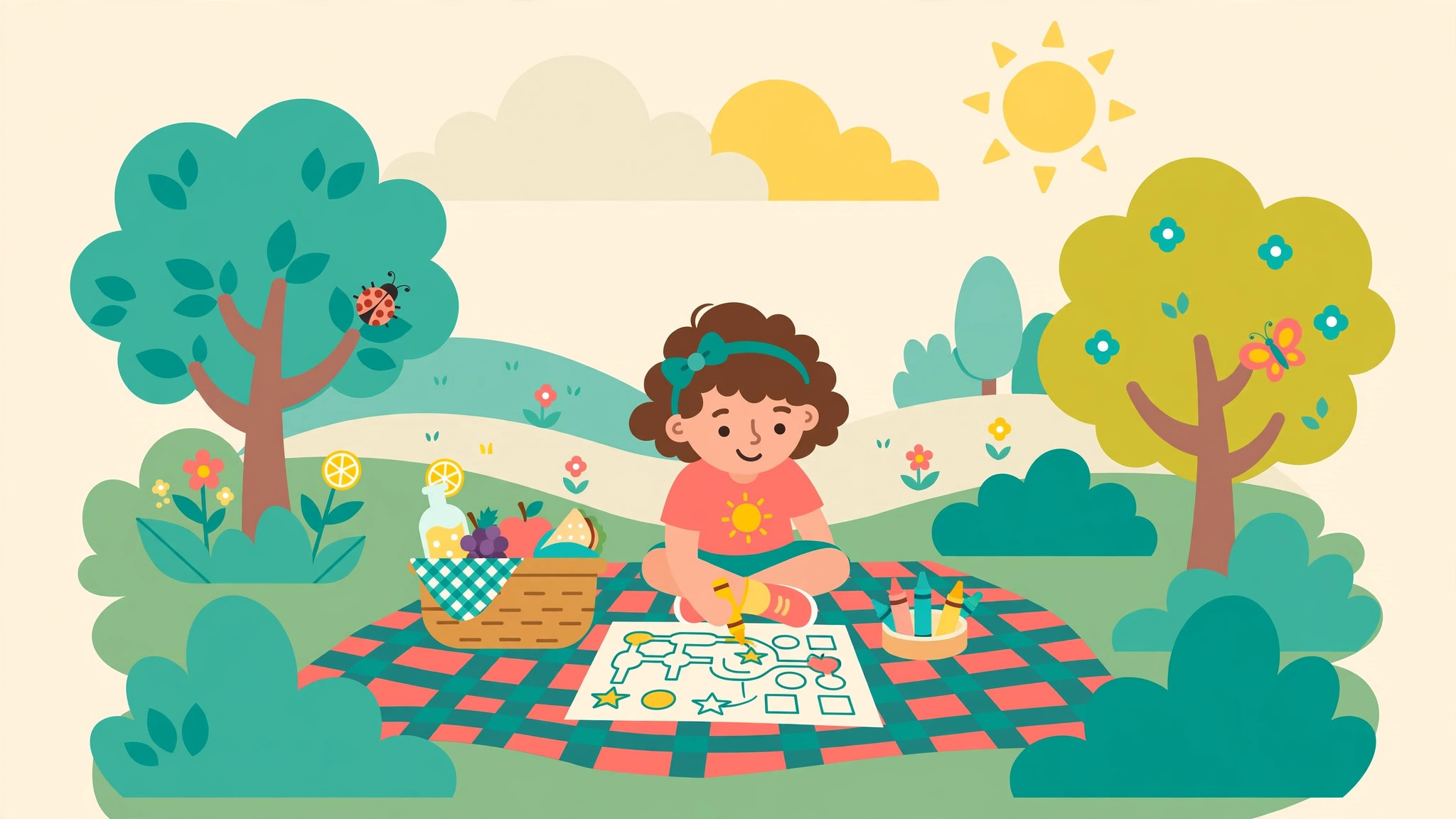
Every September, teachers spend the first weeks of school re-teaching things children knew in June. Educators call it the "summer slide": over a long break without practice, many children lose ground in reading and math — commonly a month or more of progress in math, and reading gains that fade for kids who rarely open a book. The good news is that the slide is not inevitable, and preventing it does not require summer school, a tutor, or turning your kitchen into a classroom.
Ten focused minutes a day is genuinely enough to keep skills warm. Here is how to spend them.
Why 10 minutes works
Skills fade through disuse, not through laziness. Reading and math facts behave like muscles: small, frequent use maintains them far better than occasional long workouts. Ten minutes is also the amount a parent can actually sustain for eight or ten weeks. A plan you keep until August beats an ambitious plan abandoned by the Fourth of July — consistency is the entire strategy.
The simple weekly rhythm
Alternate reading days and math days, then take weekends for free choice. Predictability helps children cooperate, because there is nothing to negotiate:
| Day | 10-minute activity |
|---|---|
| Monday | Reading — child reads aloud or you read together |
| Tuesday | Math game — cards, dice, or counting game |
| Wednesday | Reading — library book, comic, or magazine |
| Thursday | Math facts — flashcards, skip counting, or an app-free drill game |
| Friday | Writing — journal entry, postcard, list, or comic strip |
| Weekend | Free choice — any of the above, or a rest |
Reading minutes that count double
Any reading counts, but reading aloud to you protects the most skills: fluency, vocabulary, and comprehension all at once. Let your child choose the material — graphic novels, joke books, sports magazines, and rereading a beloved book all count. Talk for one minute afterward: "What was the funniest part? What do you think happens next?" Prediction and retelling are the comprehension muscles school cares about most. Most public libraries run free summer reading programs with prizes, which supply both books and motivation at zero cost.
Math minutes without worksheets
A deck of cards and two dice can carry a whole summer:
- War with a twist: each player flips two cards and adds them; the higher sum wins the round.
- Make 10: lay out cards and hunt for pairs that add to ten.
- Dice doubles race: roll two dice, multiply or add, race to a target score of 100.
- Kitchen math: doubling a recipe, counting out change, and reading prices at the store are real practice in disguise.
For younger children, the math is counting games: stairs, spoons, socks, and snack pieces. The skill that fades fastest is number fluency, and games protect it better than drills because children will actually do them.
Writing: the forgotten third
Reading gets the attention, but writing slides too. Keep it light and purposeful: a four-line summer journal ("Today I…"), a postcard to a grandparent, a shopping list your child writes and carries, a caption under a drawing. Five short sentences a week is a real workout for spelling, handwriting, and organizing thoughts — and the journal becomes a keepsake of the summer itself.
Make it visible: the star chart
Print or draw a simple chart with one box per day and let your child color a star after each 10-minute session. Visible progress is powerful motivation for young kids, and the chart protects the habit on busy days — nobody wants to break the streak. Attach a small celebration to milestones: at 20 stars, choose a library trip treat; at 40, a family picnic. Skip punishments entirely; a missed day just means the chart waits.
Travel days, camps, and chaotic weeks
Real summers are messy, so build in forgiveness. Audiobooks in the car count as reading listening. A road-trip license-plate game is math. Camp weeks can be rest weeks — the habit resumes when you return. If you miss a whole week on vacation, do not "double up" to catch up; simply restart the rhythm. The goal was never perfection — it is roughly 50 small sessions across the summer, and that is plenty.
What about workbooks and printables?
They are fine as one ingredient, especially the fun kind: mazes, word searches, and one-page challenges a child picks for themselves. The rule is choice and brevity — one page, then done. And if your child ended the school year struggling, or you are ever worried they are losing more ground than expected, your child's teacher or pediatrician can point you to the right support before fall.
A sample day, minute by minute
On a reading day, the session might look like this: two minutes choosing the book and finding the page where you stopped, six minutes of reading aloud (alternate pages if your child tires), and two minutes of talk — retell the best part, predict the next one, spot one new word. On a math day: deal the cards, play three quick rounds of Make 10, and finish with one "challenge question" pitched slightly harder than the game. Notice the shape — a warm-up, the real work, and a closing moment of talk. That shape keeps ten minutes feeling like a ritual instead of a task.
Older kids (ages 8–10) need a different flavor
Ten minutes still works for older children, but the content should mature: chapter books and nonfiction about their obsessions, multiplication war with playing cards, a personal reading challenge (ten books, five genres, one biography), and real-world math like planning a lemonade stand budget or tracking a favorite team's statistics. Give older kids ownership of the chart and the choices. A nine-year-old who designs their own summer challenge will defend it far more fiercely than one handed down by a parent.
Ten minutes, most days, all summer. September will take care of itself.
Frequently Asked Questions
How much skill do kids really lose over the summer?
It varies a lot by child, but teachers commonly report needing several weeks each fall to rebuild math facts and reading fluency that faded over the break. Children who read regularly and play with numbers tend to hold their ground — which is exactly what a small daily habit protects.
My child hates anything that feels like school. Will this work?
Probably — because none of it should feel like school. Card games, cooking, jokes books, and postcards are play with skills hidden inside. Let your child pick the book and the game, keep sessions to ten minutes, and protect the star streak. Choice and brevity turn resistance into routine.
We missed two weeks on vacation. Should we double up?
No doubling needed. A daily habit works through total sessions across the season, not through never missing. Restart the rhythm when you are home, color the stars for days you do complete, and let the missed boxes go. Even 40 to 50 short sessions noticeably protect skills.
Are educational apps a good substitute for the 10 minutes?
They can be one option, especially for math facts on travel days, but they should not be the whole plan. Reading aloud, talking about a story, and playing card or dice games build language and number sense in ways apps rarely match. A mix — mostly people, sometimes screens — works best.