What to Do When Your Child Hates Writing: Tips That Actually Help
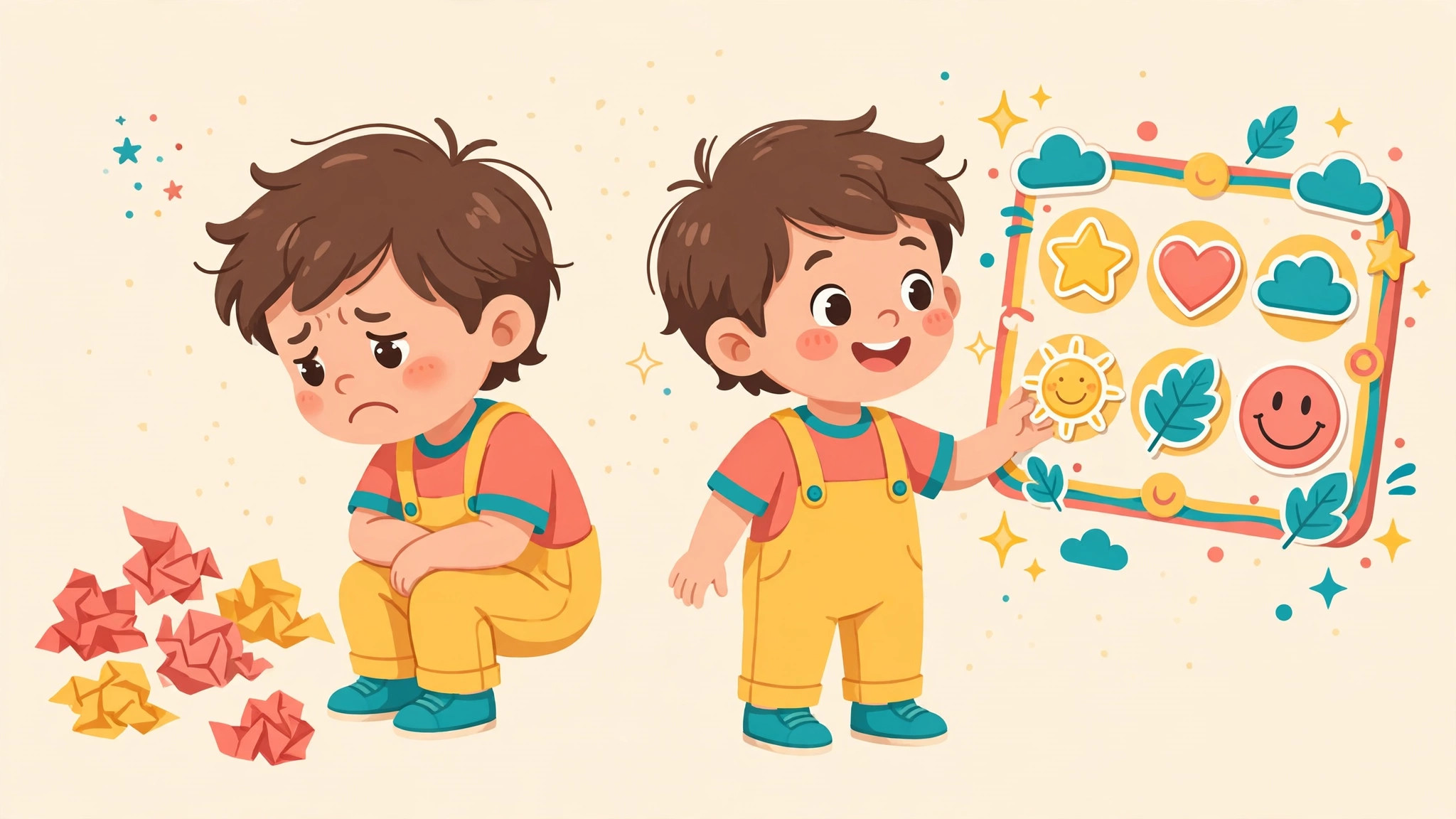
Almost every parent hears it at some point: "I hate writing!" — usually said while staring at a nearly empty page. Before you worry, know this: in the early years, "hating writing" rarely means hating stories or ideas. It usually means the physical act of forming letters is tiring, slow, or frustrating. Once you find out which part is hard, the fix is often surprisingly simple.
Why writing feels hard (it's usually the hand, not the attitude)
Young hands are still building the small muscles that control a pencil. A five-year-old's hand tires the way your legs would on a long hike. When writing hurts or letters come out "wrong," children protect themselves the only way they know how — by refusing, rushing, or melting down.
- Weak hand strength: letters are wobbly, the grip is tight, and your child shakes their hand out after a few lines.
- Perfectionism: constant erasing, tears over one crooked letter, or refusing to start in case it isn't perfect.
- Too much, too soon: long worksheets before the basics feel easy.
- No obvious purpose: copying sentences about nothing feels pointless — because to a child, it is.
Step one: build strength through play (no pencils required)
For two weeks, take worksheets off the table and strengthen the writing muscles through play instead. Ten minutes a day is plenty:
- Playdough and clay: rolling, pinching, and squeezing build exactly the fingers used for pencil grip. Hide small beads in the dough for your child to dig out.
- Tweezers and tongs: move pom-poms, dry beans, or small toys from bowl to bowl.
- Spray bottles and sponges: "paint" the sidewalk with water, or squeeze a sponge dry into a cup.
- Vertical surfaces: drawing on an easel, a window with washable markers, or paper taped to the wall builds wrist strength naturally.
- Cutting practice: snipping playdough "snakes" and paper strips strengthens the same hand muscles.
Step two: give writing a real job
Children write willingly when the writing does something. Swap drills for jobs with a real audience:
- Write the grocery list together — your child writes "milk" and checks it off at the store.
- Make birthday and thank-you cards for real people who will actually receive them.
- Label their world: name tags on toy bins, a sign for their bedroom door, a menu for a pretend restaurant.
- Start a simple comic strip — speech bubbles need only a few words each, and drawing carries the story.
- Be pen pals with a grandparent or cousin, even if "letters" are one sentence and three stickers.
A gentle two-week starter plan
| Days | Focus | Activity (5–10 min) |
|---|---|---|
| 1–4 | Strength play | Playdough, tweezers, spray-bottle painting |
| 5–8 | Marks with meaning | Lists, labels, and signs around the house |
| 9–11 | Short and fun | Comic strips, silly sentences, secret codes |
| 12–14 | Real writing | One card or short letter to a real person |
Keep sessions short and stop while it's still going well. Ending on a win — even a tiny one — makes tomorrow's start much easier.
Small tools that make a real difference
Short pencils and crayons are easier for small hands to control than long ones, and they naturally encourage a better grip. Triangular pencil grips help some children. Paper with a raised or highlighted baseline helps letters sit in the right place. And if your child presses so hard the paper tears, try writing on a softer surface, like a notebook stacked on a magazine.
What to say (and what to skip)
Praise the effort and the idea, not neatness: "You worked hard on that card — Grandma will love the picture of her dog." Skip correcting every letter in the moment; pick one small thing to practice later instead. If your child says "I can't," gently reframe it: "You can't do it yet — and your hands get stronger every time you try."
Set up a writing corner that invites, not pressures
Environment quietly shapes behaviour. A small, appealing writing spot — a basket with chunky crayons, a few short pencils, plain paper, lined paper, envelopes, and stickers — invites children to start on their own terms. Keep it somewhere central, not hidden away like homework. Rotate one surprise item each week: a gold pen, scented markers, or paper shaped like stars. When children wander over and begin scribbling without being asked, that's the habit forming.
Make your own practice sheets in two minutes
- Write one model word or sentence at the top of a page in your neatest handwriting — something your child actually cares about, like their name, "dinosaur," or "I love pizza."
- Leave big, friendly spaces underneath — two or three attempts per line, not ten.
- Add a tiny goal: "Can you beat your first try?" turns repetition into a game against themselves, not against perfection.
- Finish with a free-choice line where anything goes: drawing, scribbles, or their favourite word written huge.
Homemade sheets work better than generic ones because the words matter to your child — and because you can pitch the difficulty exactly where they are today, then quietly raise it as their hands grow stronger and braver.
Reluctant writers at different ages
Ages 4–5
Expect scribbles, letter-like shapes, and lots of drawing. That's writing development working exactly as it should. Focus on play, name practice, and zero pressure.
Ages 6–7
Add short, purposeful writing — lists, captions, one-sentence stories. If forming letters is still exhausting after months of practice, mention it to the teacher, who sees your child's writing every day.
Ages 8+
Older reluctant writers often have plenty of ideas but slow hands. Let them sometimes dictate, type, or draw the plan first, and keep handwriting practice brief and separate from creative writing.
Most writing resistance fades as strength and confidence grow. Still, trust your instincts: if you're ever concerned, your child's teacher or pediatrician can help you work out whether anything extra is worth checking.
Frequently Asked Questions
How long should writing practice be for a young child?
Five to ten minutes is plenty for most children under seven. Short, frequent sessions beat one long battle every time. Always try to stop while things are going well — ending on a small success makes your child far more willing to sit down and try again tomorrow.
Should I make my child redo messy work?
Usually no. Rewriting a whole page teaches a child that writing leads to punishment, which deepens the resistance. Instead, praise the effort, quietly note one thing to practise separately later — like spacing between words — and keep practice sessions short, playful, and completely separate from real writing jobs.
My child will draw for hours but refuses to write a word. Is that normal?
Yes, this is very common. Drawing uses bigger, easier movements and carries no right-or-wrong pressure. Use it as a bridge: ask your child to add a caption, a speech bubble, or a label to the picture. One willing word today often grows into sentences over the coming months.
When should I ask for extra help with writing?
Mention it to your child's teacher if writing stays exhausting or distressing after a few months of gentle, regular practice, or if your child avoids it far more than classmates. Teachers see daily writing samples and, together with your pediatrician, can help decide whether any extra support would help.